1 min
ddddddd
sdf

Dec 10, 2019
4 min
It’s a situation that happens every day in the media relations world.
A reporter calls and they need someone for an interview fast.
This is how the scenario should play out:
Step 1 - The media calls a communications officer with a simple request for information and an interview on a recently announced program.
Step 2 – The communication officer identifies a suitable spokesperson.
Step 3 – The reporter and spokesperson talk, arrange an interview -- and there is some excellent earned media and exposure for your institution.
It sounds simple enough.
But, not so fast.
In reality, things often fall apart on step 3 and the process turns into something that borderlines on a Monty Python skit.
Based on my experience and others I’ve consulted with – it often plays out something like this:
The communications officer contacts the suitable spokesperson’s Manager to ensure it is okay they can speak to the expertise and subject matter they specialize in. Then, they have to loop in that manager with a Director and CEO to inform them of the media request and the plan. And then if the Director agrees, the CEO gets on board. Or perhaps the Director agrees only after checking with the CEO and agreeing to the spokesperson.
Once that’s nailed down somehow…the CEO wonders if speaking points are required and will only proceed once the Manager and Director have signed off on them.
After the speaking points are finally approved, speaking points and the media request are sent to the identified spokesperson.
Then the communications officer (remember him or her?) responds to the media that they have found an expert and will arrange a time for interview. The communications officer has the Manager, Director, CEO and spokesperson each sign off on paper-generated Media Request Form for filing and safe records keeping.
And, then…..finally……if the media hasn’t already gone elsewhere, the reporter and the spokesperson finally speak – about 18 steps later. It’s actually more steps than it takes to assemble my daughter’s bike or the average IKEA nightstand. It’s cumbersome, ineffective and costs the organization a lot of time in person power for something that doesn’t need to be this difficult.
And the reality is … this spokesperson is a paid professional with a Master’s degree who was hired for the subject matter they specialize in. The media request was related to a media release issued by the organization. With a simple approval process and a pro-active approach to media, this could have been easier for everybody with an immediate turnaround and a positive outcome.
Think this is a joke? It’s not. In fact, there’s a Communications Officer’s support group that meets every Thursday to share similar situations (I’m being cheeky).
Media will appreciate that sensitive issues take time to respond to. In fact, a lot of media relish the thought the there are people scrambling to answer the tough questions.
What drives media crazy is having to wait hours for what should be a simple, safe and low-risk reply. They likely already know the answer, they just need the expertise to lend it credibility and verification.
(Photo courtesy: CBS Television Studios)
So does your Communications Process need an institutional intervention?
When you make it hard for media to get easy answers, they might start looking elsewhere. Odds are they will. Consider this:
Do you have a grading system for media requests?
Do you know the reporter or media outlet?
Trust your Communications Team – Don’t Micro Manage
Most institutions have a rigorous vetting process – so why the worry?
So when the media calls, here’s my advice. Take a deep breath. Assess the risk. And arrange the interview as soon as possible and with as little maintenance and anxiety as possible.
The media get the information they want, your institution gets the earned media and free exposure it wants and your Communications Team maintains a reputation as a group that can deliver content on deadline and ‘gets’ the information game.
Remember – in today’s media – it’s all about speed.
The easier you make it for media, the more the phone will ring.

1 min
sdf
2 min
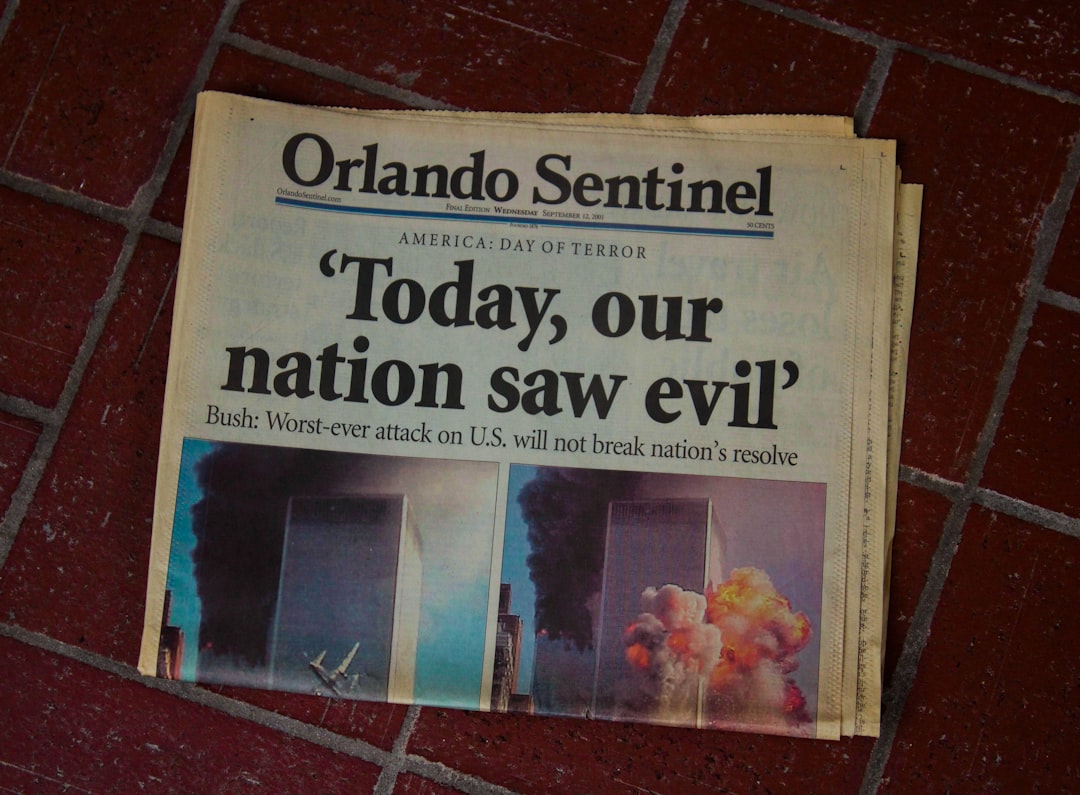
September 11, 2001 marked a pivot in American history—a day when the nation’s sense of safety was shattered, and its collective identity reshaped. The attacks triggered sweeping changes in security, government authority, social behavior, and even cultural cohesion. Today, the legacy of 9/11 lives on in how we remember, govern, and connect. A Nation in Shock—and Unity On that fall morning, the U.S. witnessed a tragedy that killed nearly 3,000 people and devastated the nation’s psyche. In the immediate aftermath, grief turned into solidarity—as most Americans tuned into televised coverage, felt sadness, anger, and fear, yet paradoxically came together in an extraordinary show of patriotism and trust in institutions. In the months that followed, confidence in government reached levels unseen in decades—fueled by mourning, resolve, and a collective desire to heal. The Rise of “Homeland Security” & Executive Power Almost immediately, the U.S. government unleashed legal and structural transformations. The USA PATRIOT Act, passed just weeks later in October 2001, significantly expanded surveillance and law enforcement powers for domestic security—raising ongoing concerns about civil liberties. Alongside this, the Department of Homeland Security was created in 2002, bringing together 22 agencies to coordinate security against future threats and reinforcing a new era of national vigilance. Economic Shock and Air Travel Overhaul The attacks triggered immediate economic consequences: U.S. stock markets plunged, airlines and insurers suffered heavy losses, and GDP forecasts were revised downward. Meanwhile, the aviation sector underwent a rapid and lasting modernization in security protocols and flight routing. Notably, Canada’s Operation Yellow Ribbon absorbed diverted flights in the chaos, highlighting international cooperation amid crisis. Legal Precedents and Global Conflict Congress quickly approved the broad-ranging Authorization for Use of Military Force (AUMF), enabling the U.S. to pursue adversaries globally—a mandate that has since been interpreted far beyond its original context, shaping nearly two decades of “forever wars.” These legal expansions—and the accompanying conflicts in Afghanistan and Iraq—signaled a new global posture that redefined American foreign policy. Remembering, Serving, and the Legacy Continues In the years since, public memory of 9/11 has evolved—from solemn remembrance to proactive service. Patriot Day, proclaimed a national day of mourning and service, now encourages millions of Americans each year to volunteer in honor of those lost and the unity felt afterward. These acts of service continue to reflect the enduring spirit of resilience and community. Connect with our experts on the history, significance, and lasting impact of 9/11 on American life and policy. Check out our experts here : www.expertfile.com
2 min
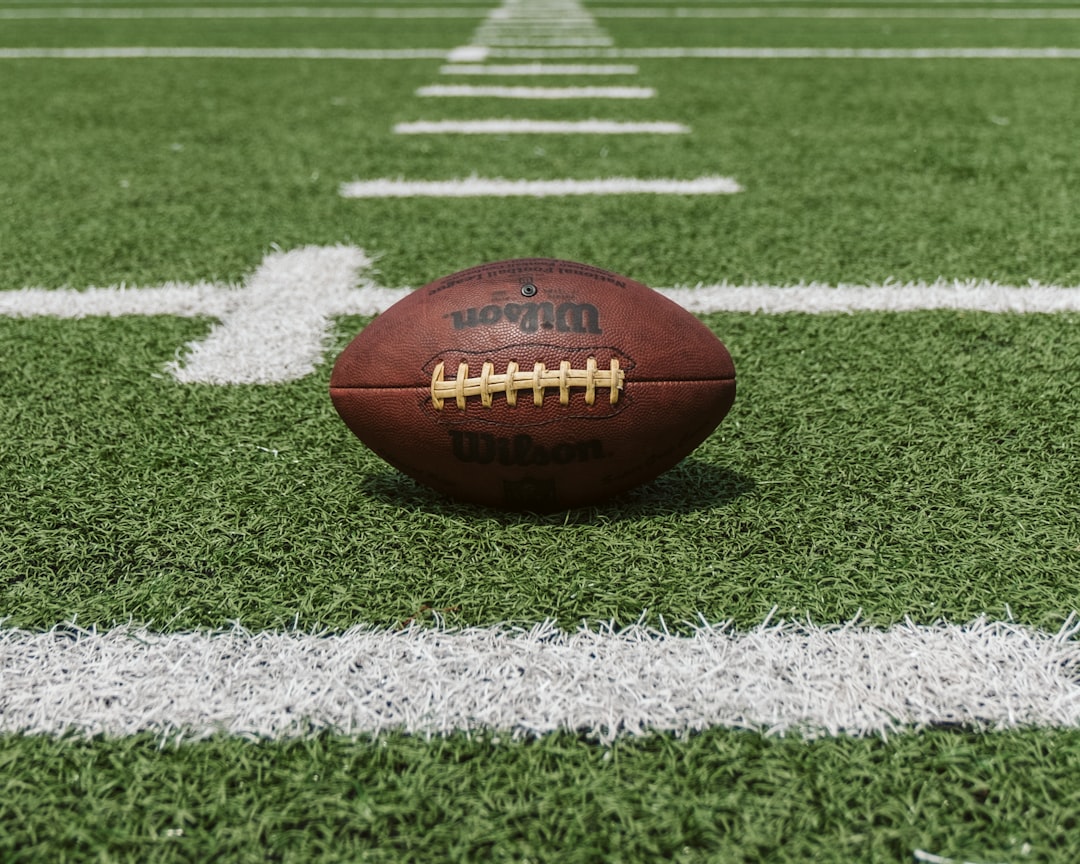
From its modest beginnings in the late 19th century to becoming America’s most-watched sport, professional football has not only entertained generations but also transformed communities, economies, and culture. Today, the National Football League (NFL) stands as a global brand, symbolizing both the triumphs and tensions of American life. Early Beginnings Professional football took root in the 1890s, when athletic clubs in Pennsylvania began paying players under the table. In 1920, a group of teams formed the American Professional Football Association, later renamed the NFL in 1922. Early decades were marked by instability, but the league grew steadily, and by the 1950s, with the rise of television, football began capturing national attention. The 1958 NFL Championship Game—dubbed the “Greatest Game Ever Played”—cemented football as America’s sport of the future, setting the stage for the AFL-NFL rivalry of the 1960s and the eventual Super Bowl, first played in 1967. Economic Impact Football is now one of the most powerful economic engines in American sports. The NFL generates more than $18 billion annually, with billions flowing into local economies through stadium construction, tourism, and broadcasting rights. Super Bowl weekend alone can inject hundreds of millions of dollars into host cities. The game has also reshaped industries—from sports broadcasting and advertising to fantasy leagues and legalized sports betting. It drives sponsorships, merchandise sales, and jobs connected to media, hospitality, and infrastructure. Social and Cultural Significance Football’s reach extends beyond the field. It has served as a stage for some of America’s most important social conversations—from racial integration in the 1940s, to gender roles in sports media, to the modern debates over player safety and activism. Figures like Jackie Robinson in baseball broke barriers, but in football, trailblazers such as Kenny Washington (first African American to reintegrate the NFL in 1946) helped reshape opportunity and inclusion. In more recent years, high-profile advocacy by players on issues ranging from racial justice to mental health has placed the sport squarely in the middle of national debates. At the same time, concerns about concussions and long-term health risks have fueled public dialogue on workplace safety and medical ethics, echoing issues seen across many industries. A Lasting Legacy Football is more than a game. It has become a unifying tradition—whether through Friday night lights in small towns, college rivalries that galvanize entire states, or Super Bowl Sunday as an unofficial national holiday. Its economic and cultural significance continues to expand, reflecting both America’s passion for competition and its ongoing social evolution. Connect with our experts about the history and significance of professional football in America: Check out our experts here : www.expertfile.com
Check out some other posts from ExpertFile
1 min
sdf
2 min
September 11, 2001 marked a pivot in American history—a day when the nation’s sense of safety was shattered, and its collective identity reshaped. The attacks triggered sweeping changes in security, government authority, social behavior, and even cultural cohesion. Today, the legacy of 9/11 lives on in how we remember, govern, and connect. A Nation in Shock—and Unity On that fall morning, the U.S. witnessed a tragedy that killed nearly 3,000 people and devastated the nation’s psyche. In the immediate aftermath, grief turned into solidarity—as most Americans tuned into televised coverage, felt sadness, anger, and fear, yet paradoxically came together in an extraordinary show of patriotism and trust in institutions. In the months that followed, confidence in government reached levels unseen in decades—fueled by mourning, resolve, and a collective desire to heal. The Rise of “Homeland Security” & Executive Power Almost immediately, the U.S. government unleashed legal and structural transformations. The USA PATRIOT Act, passed just weeks later in October 2001, significantly expanded surveillance and law enforcement powers for domestic security—raising ongoing concerns about civil liberties. Alongside this, the Department of Homeland Security was created in 2002, bringing together 22 agencies to coordinate security against future threats and reinforcing a new era of national vigilance. Economic Shock and Air Travel Overhaul The attacks triggered immediate economic consequences: U.S. stock markets plunged, airlines and insurers suffered heavy losses, and GDP forecasts were revised downward. Meanwhile, the aviation sector underwent a rapid and lasting modernization in security protocols and flight routing. Notably, Canada’s Operation Yellow Ribbon absorbed diverted flights in the chaos, highlighting international cooperation amid crisis. Legal Precedents and Global Conflict Congress quickly approved the broad-ranging Authorization for Use of Military Force (AUMF), enabling the U.S. to pursue adversaries globally—a mandate that has since been interpreted far beyond its original context, shaping nearly two decades of “forever wars.” These legal expansions—and the accompanying conflicts in Afghanistan and Iraq—signaled a new global posture that redefined American foreign policy. Remembering, Serving, and the Legacy Continues In the years since, public memory of 9/11 has evolved—from solemn remembrance to proactive service. Patriot Day, proclaimed a national day of mourning and service, now encourages millions of Americans each year to volunteer in honor of those lost and the unity felt afterward. These acts of service continue to reflect the enduring spirit of resilience and community. Connect with our experts on the history, significance, and lasting impact of 9/11 on American life and policy. Check out our experts here : www.expertfile.com
2 min
From its modest beginnings in the late 19th century to becoming America’s most-watched sport, professional football has not only entertained generations but also transformed communities, economies, and culture. Today, the National Football League (NFL) stands as a global brand, symbolizing both the triumphs and tensions of American life. Early Beginnings Professional football took root in the 1890s, when athletic clubs in Pennsylvania began paying players under the table. In 1920, a group of teams formed the American Professional Football Association, later renamed the NFL in 1922. Early decades were marked by instability, but the league grew steadily, and by the 1950s, with the rise of television, football began capturing national attention. The 1958 NFL Championship Game—dubbed the “Greatest Game Ever Played”—cemented football as America’s sport of the future, setting the stage for the AFL-NFL rivalry of the 1960s and the eventual Super Bowl, first played in 1967. Economic Impact Football is now one of the most powerful economic engines in American sports. The NFL generates more than $18 billion annually, with billions flowing into local economies through stadium construction, tourism, and broadcasting rights. Super Bowl weekend alone can inject hundreds of millions of dollars into host cities. The game has also reshaped industries—from sports broadcasting and advertising to fantasy leagues and legalized sports betting. It drives sponsorships, merchandise sales, and jobs connected to media, hospitality, and infrastructure. Social and Cultural Significance Football’s reach extends beyond the field. It has served as a stage for some of America’s most important social conversations—from racial integration in the 1940s, to gender roles in sports media, to the modern debates over player safety and activism. Figures like Jackie Robinson in baseball broke barriers, but in football, trailblazers such as Kenny Washington (first African American to reintegrate the NFL in 1946) helped reshape opportunity and inclusion. In more recent years, high-profile advocacy by players on issues ranging from racial justice to mental health has placed the sport squarely in the middle of national debates. At the same time, concerns about concussions and long-term health risks have fueled public dialogue on workplace safety and medical ethics, echoing issues seen across many industries. A Lasting Legacy Football is more than a game. It has become a unifying tradition—whether through Friday night lights in small towns, college rivalries that galvanize entire states, or Super Bowl Sunday as an unofficial national holiday. Its economic and cultural significance continues to expand, reflecting both America’s passion for competition and its ongoing social evolution. Connect with our experts about the history and significance of professional football in America: Check out our experts here : www.expertfile.com