1 min
ddddddd
sdf

Jul 26, 2022
5 min
Following the US Supreme Court decision to overturn Roe V Wade on the 26th June 2022, abortion laws are now changing across states on an almost daily basis. The landmark decision and huge signifier for the rights of women in the United States and across the world of 1973, is now nothing but history. In 13 states with “trigger laws”, abortion laws will take immediate effect, with others being implemented about a month after the ruling. While ‘the patchwork of state laws and barrage of court filings mean that for half the country', the legal status of abortion remains ambiguous, a month on, one thing remains certain - concerns regarding tech companies and the protection of user privacy in regards to abortion cases are only growing.
New questions have been raised and existing debates regarding data privacy have been reignited. Debates center on the extent to which tech companies should protect the information of users seeking abortions and the steps that both consumers and companies can take in line with current laws.
While many large corporations, including tech companies Microsoft, Apple, Meta, Disney, Uber, Netflix and Amazon have announced they will provide travel expenses for abortions if they are not available in the state, the role of tech companies in protecting private users' information remains unclear.
Location Tracking
On Tuesday May 24th, 42 Democratic lawmakers urged Google SEO Sundar Pirchai to stop collecting and keeping unnecessary or non-aggregated location data which could be used against people seeking abortions. Before the overruling, the lawmakers wrote “if abortion is made illegal…it is inevitable that right-wing prosecutors will obtain legal warrants to hunt down, prosecute and jail women for obtaining critical and reproductive health care.” In comparison to Apple, which has demonstrated that smartphone companies do not need to retain customer location data, Google ‘has created a new digital divide’, which makes ‘privacy and security a luxury’. Ultimately, privacy for Americans who cannot afford an iPhone is at greater risk.
While Google sent a company-wide email stating they would cover out-of-state travel expenses for abortion, they have still made no statement in response to the Democratic lawmaker's request on customer location data since the rollback of Roe V Wade.
Period-Tracking Apps
Alongside concerns about location tracking data with companies such as Google, one of the newer sources of anxiety in terms of data privacy is the use of cycle tracking apps. Since the draft decision was leaked in early May, there have been widespread concerns over the use of period-tracking apps and calls for American women to delete them to avoid their data being used against them in court.
Danielle Citron, Professor of Law at the University of Virginia School of Law expresses her concern that using such tracking apps could help build a legal case against a woman who has had an abortion. She states "you got your period on X date, you missed your period, then let's say, for example, 20 weeks later you got your period again, and that in that time period your location shows that you went to a clinic either in the state or out of the state — that in so many respects is the circumstantial evidence that a prosecutor needs.”
Tech policy researcher Eva Blum-Dumontet tells Insider that if people find period-tracking apps genuinely useful they shouldn’t feel they have to get rid of them ‘because the risk of data being handed to law enforcement is low’. But at the same time, ‘it is not impossible.'
One of the main period tracking apps, Flo, has issued a statement in response to Roe V Wade which reads ‘we will do everything in our power to protect the data and privacy of our users', with an additional feature to existing security measures including “anonymous mode”, which allows users to remove their personal identity from their Flo account. Flo has stated that more clarity will be given in the coming weeks and months.
Limiting Online Discussion of Abortion Pills and Aid
Since the Supreme Court’s verdict, online memes, statuses and posts have exploded, sharing resources and thoughts on the decision. Facebook and Instagram have started removing posts related to abortion pills, following the rise in the discussion of access to them and offers to mail them across the US. Media intelligence firm Zignal Labs records that general mentions of abortion pills, as well as posts mentioning specific versions such as mifepristone and misoprostol, suddenly spiked on Friday morning across Twitter, Facebook, Reddit and TV Broadcasts.
Following the release of a screenshot obtained by the Associated Press of an Instagram post from a woman who offered to buy and send abortion pills through the mail, being taken down within a few minutes by Instagram, AP decided to test out how Meta would respond to a similar post on Facebook. On Monday, the AP reporter wrote “If you send me your address, I will mail you abortion pills.” The post was removed in under one minute. Interestingly, when the AP reporter made the same post but ‘swapped out the words “abortion pills” for “a gun”, the post remained untouched.’
Can past cases inform the future?
While the response of tech companies in protecting public data regarding the concerns raised above is still relatively ambiguous, we can refer to past cases where smartphone data was used as evidence in cases against women.
In 2018, Lattice Fisher was charged with second-degree murder after she experienced a ‘stillbirth at home and a state medical examiner claimed the baby had been born alive and died of asphyxiation, according to Oktibbeha County court records.’ Fisher’s mobile data records allegedly contained a search for “buy abortion pills”, and mifepristone and misoprostol, the two main forms of self-managed abortion medications. Although Fisher got out of jail later in 2018, Laurie Bertram Roberts, co-founder of the Mississippi Reproductive Freedom Fund and the executive director of Yellow Hammer Fund, who had been heavily involved with Fisher’s bail, said that the impact will forever taint Fisher’s life. “Anytime someone Googles her for a job that mugshot with a story of her being indicted for a second-degree murder will always be there.”
In 2015, Purvi Patel was prosecuted in Indiana under the state’s feticide law after she took safe, well-known abortion medication. Prosecutors had claimed that the baby was born alive and did not survive. In this case, Patel’s text messages mentioning the abortion pills were the main evidence used against her. She was sentenced to 20 years in prison, but her conviction was overturned and she was released after serving 18 months. Many people had wondered how the case had happened when abortion was a protected right under the constitution.
With the right to abortion in the US now only marking a historical moment, the role of tech companies in the protection of user data will only become increasingly pivotal in a post-Roe world.

1 min
sdf
2 min
September 11, 2001 marked a pivot in American history—a day when the nation’s sense of safety was shattered, and its collective identity reshaped. The attacks triggered sweeping changes in security, government authority, social behavior, and even cultural cohesion. Today, the legacy of 9/11 lives on in how we remember, govern, and connect. A Nation in Shock—and Unity On that fall morning, the U.S. witnessed a tragedy that killed nearly 3,000 people and devastated the nation’s psyche. In the immediate aftermath, grief turned into solidarity—as most Americans tuned into televised coverage, felt sadness, anger, and fear, yet paradoxically came together in an extraordinary show of patriotism and trust in institutions. In the months that followed, confidence in government reached levels unseen in decades—fueled by mourning, resolve, and a collective desire to heal. The Rise of “Homeland Security” & Executive Power Almost immediately, the U.S. government unleashed legal and structural transformations. The USA PATRIOT Act, passed just weeks later in October 2001, significantly expanded surveillance and law enforcement powers for domestic security—raising ongoing concerns about civil liberties. Alongside this, the Department of Homeland Security was created in 2002, bringing together 22 agencies to coordinate security against future threats and reinforcing a new era of national vigilance. Economic Shock and Air Travel Overhaul The attacks triggered immediate economic consequences: U.S. stock markets plunged, airlines and insurers suffered heavy losses, and GDP forecasts were revised downward. Meanwhile, the aviation sector underwent a rapid and lasting modernization in security protocols and flight routing. Notably, Canada’s Operation Yellow Ribbon absorbed diverted flights in the chaos, highlighting international cooperation amid crisis. Legal Precedents and Global Conflict Congress quickly approved the broad-ranging Authorization for Use of Military Force (AUMF), enabling the U.S. to pursue adversaries globally—a mandate that has since been interpreted far beyond its original context, shaping nearly two decades of “forever wars.” These legal expansions—and the accompanying conflicts in Afghanistan and Iraq—signaled a new global posture that redefined American foreign policy. Remembering, Serving, and the Legacy Continues In the years since, public memory of 9/11 has evolved—from solemn remembrance to proactive service. Patriot Day, proclaimed a national day of mourning and service, now encourages millions of Americans each year to volunteer in honor of those lost and the unity felt afterward. These acts of service continue to reflect the enduring spirit of resilience and community. Connect with our experts on the history, significance, and lasting impact of 9/11 on American life and policy. Check out our experts here : www.expertfile.com
2 min
From its modest beginnings in the late 19th century to becoming America’s most-watched sport, professional football has not only entertained generations but also transformed communities, economies, and culture. Today, the National Football League (NFL) stands as a global brand, symbolizing both the triumphs and tensions of American life. Early Beginnings Professional football took root in the 1890s, when athletic clubs in Pennsylvania began paying players under the table. In 1920, a group of teams formed the American Professional Football Association, later renamed the NFL in 1922. Early decades were marked by instability, but the league grew steadily, and by the 1950s, with the rise of television, football began capturing national attention. The 1958 NFL Championship Game—dubbed the “Greatest Game Ever Played”—cemented football as America’s sport of the future, setting the stage for the AFL-NFL rivalry of the 1960s and the eventual Super Bowl, first played in 1967. Economic Impact Football is now one of the most powerful economic engines in American sports. The NFL generates more than $18 billion annually, with billions flowing into local economies through stadium construction, tourism, and broadcasting rights. Super Bowl weekend alone can inject hundreds of millions of dollars into host cities. The game has also reshaped industries—from sports broadcasting and advertising to fantasy leagues and legalized sports betting. It drives sponsorships, merchandise sales, and jobs connected to media, hospitality, and infrastructure. Social and Cultural Significance Football’s reach extends beyond the field. It has served as a stage for some of America’s most important social conversations—from racial integration in the 1940s, to gender roles in sports media, to the modern debates over player safety and activism. Figures like Jackie Robinson in baseball broke barriers, but in football, trailblazers such as Kenny Washington (first African American to reintegrate the NFL in 1946) helped reshape opportunity and inclusion. In more recent years, high-profile advocacy by players on issues ranging from racial justice to mental health has placed the sport squarely in the middle of national debates. At the same time, concerns about concussions and long-term health risks have fueled public dialogue on workplace safety and medical ethics, echoing issues seen across many industries. A Lasting Legacy Football is more than a game. It has become a unifying tradition—whether through Friday night lights in small towns, college rivalries that galvanize entire states, or Super Bowl Sunday as an unofficial national holiday. Its economic and cultural significance continues to expand, reflecting both America’s passion for competition and its ongoing social evolution. Connect with our experts about the history and significance of professional football in America: Check out our experts here : www.expertfile.com
Check out some other posts from ExpertFile
1 min
sdf
2 min
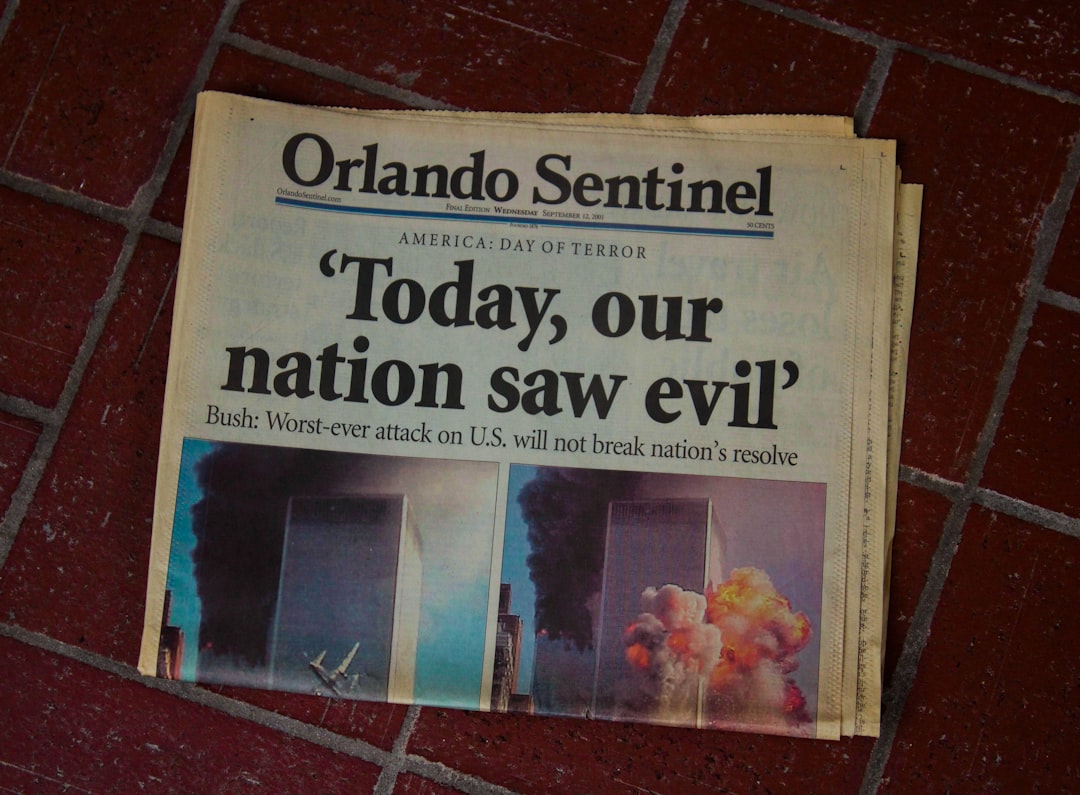
September 11, 2001 marked a pivot in American history—a day when the nation’s sense of safety was shattered, and its collective identity reshaped. The attacks triggered sweeping changes in security, government authority, social behavior, and even cultural cohesion. Today, the legacy of 9/11 lives on in how we remember, govern, and connect. A Nation in Shock—and Unity On that fall morning, the U.S. witnessed a tragedy that killed nearly 3,000 people and devastated the nation’s psyche. In the immediate aftermath, grief turned into solidarity—as most Americans tuned into televised coverage, felt sadness, anger, and fear, yet paradoxically came together in an extraordinary show of patriotism and trust in institutions. In the months that followed, confidence in government reached levels unseen in decades—fueled by mourning, resolve, and a collective desire to heal. The Rise of “Homeland Security” & Executive Power Almost immediately, the U.S. government unleashed legal and structural transformations. The USA PATRIOT Act, passed just weeks later in October 2001, significantly expanded surveillance and law enforcement powers for domestic security—raising ongoing concerns about civil liberties. Alongside this, the Department of Homeland Security was created in 2002, bringing together 22 agencies to coordinate security against future threats and reinforcing a new era of national vigilance. Economic Shock and Air Travel Overhaul The attacks triggered immediate economic consequences: U.S. stock markets plunged, airlines and insurers suffered heavy losses, and GDP forecasts were revised downward. Meanwhile, the aviation sector underwent a rapid and lasting modernization in security protocols and flight routing. Notably, Canada’s Operation Yellow Ribbon absorbed diverted flights in the chaos, highlighting international cooperation amid crisis. Legal Precedents and Global Conflict Congress quickly approved the broad-ranging Authorization for Use of Military Force (AUMF), enabling the U.S. to pursue adversaries globally—a mandate that has since been interpreted far beyond its original context, shaping nearly two decades of “forever wars.” These legal expansions—and the accompanying conflicts in Afghanistan and Iraq—signaled a new global posture that redefined American foreign policy. Remembering, Serving, and the Legacy Continues In the years since, public memory of 9/11 has evolved—from solemn remembrance to proactive service. Patriot Day, proclaimed a national day of mourning and service, now encourages millions of Americans each year to volunteer in honor of those lost and the unity felt afterward. These acts of service continue to reflect the enduring spirit of resilience and community. Connect with our experts on the history, significance, and lasting impact of 9/11 on American life and policy. Check out our experts here : www.expertfile.com
2 min
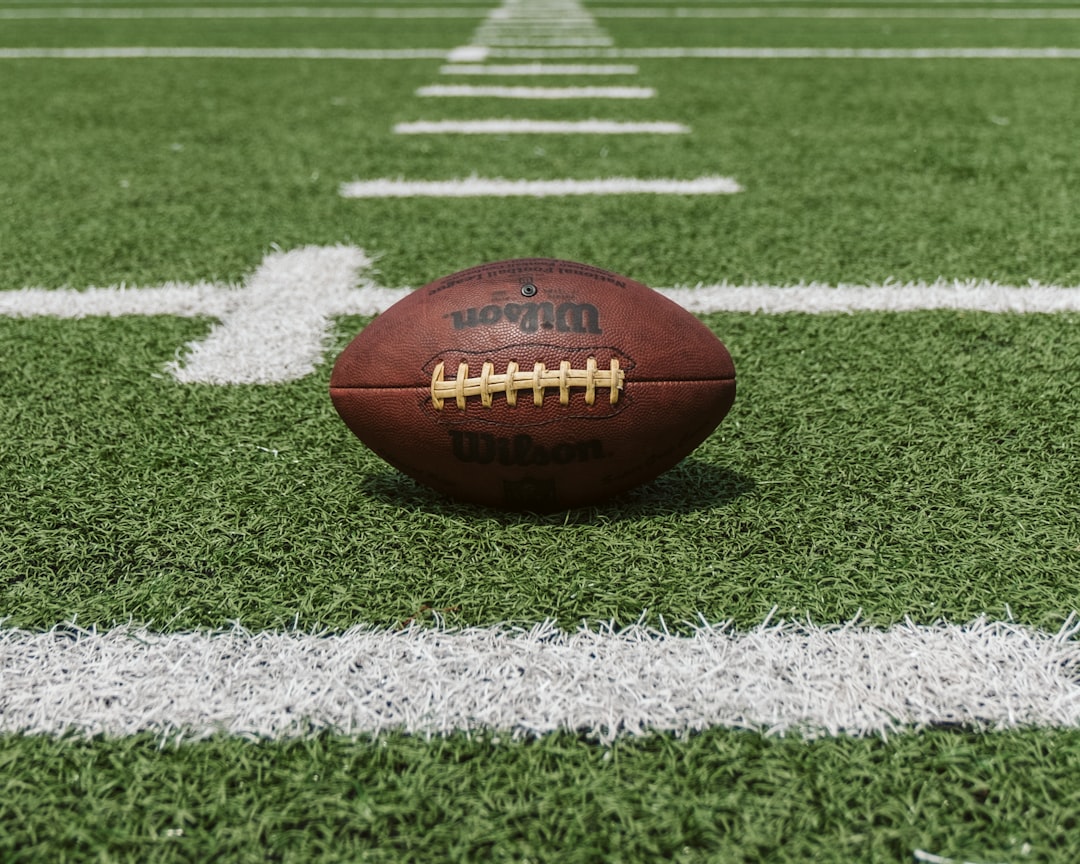
From its modest beginnings in the late 19th century to becoming America’s most-watched sport, professional football has not only entertained generations but also transformed communities, economies, and culture. Today, the National Football League (NFL) stands as a global brand, symbolizing both the triumphs and tensions of American life. Early Beginnings Professional football took root in the 1890s, when athletic clubs in Pennsylvania began paying players under the table. In 1920, a group of teams formed the American Professional Football Association, later renamed the NFL in 1922. Early decades were marked by instability, but the league grew steadily, and by the 1950s, with the rise of television, football began capturing national attention. The 1958 NFL Championship Game—dubbed the “Greatest Game Ever Played”—cemented football as America’s sport of the future, setting the stage for the AFL-NFL rivalry of the 1960s and the eventual Super Bowl, first played in 1967. Economic Impact Football is now one of the most powerful economic engines in American sports. The NFL generates more than $18 billion annually, with billions flowing into local economies through stadium construction, tourism, and broadcasting rights. Super Bowl weekend alone can inject hundreds of millions of dollars into host cities. The game has also reshaped industries—from sports broadcasting and advertising to fantasy leagues and legalized sports betting. It drives sponsorships, merchandise sales, and jobs connected to media, hospitality, and infrastructure. Social and Cultural Significance Football’s reach extends beyond the field. It has served as a stage for some of America’s most important social conversations—from racial integration in the 1940s, to gender roles in sports media, to the modern debates over player safety and activism. Figures like Jackie Robinson in baseball broke barriers, but in football, trailblazers such as Kenny Washington (first African American to reintegrate the NFL in 1946) helped reshape opportunity and inclusion. In more recent years, high-profile advocacy by players on issues ranging from racial justice to mental health has placed the sport squarely in the middle of national debates. At the same time, concerns about concussions and long-term health risks have fueled public dialogue on workplace safety and medical ethics, echoing issues seen across many industries. A Lasting Legacy Football is more than a game. It has become a unifying tradition—whether through Friday night lights in small towns, college rivalries that galvanize entire states, or Super Bowl Sunday as an unofficial national holiday. Its economic and cultural significance continues to expand, reflecting both America’s passion for competition and its ongoing social evolution. Connect with our experts about the history and significance of professional football in America: Check out our experts here : www.expertfile.com